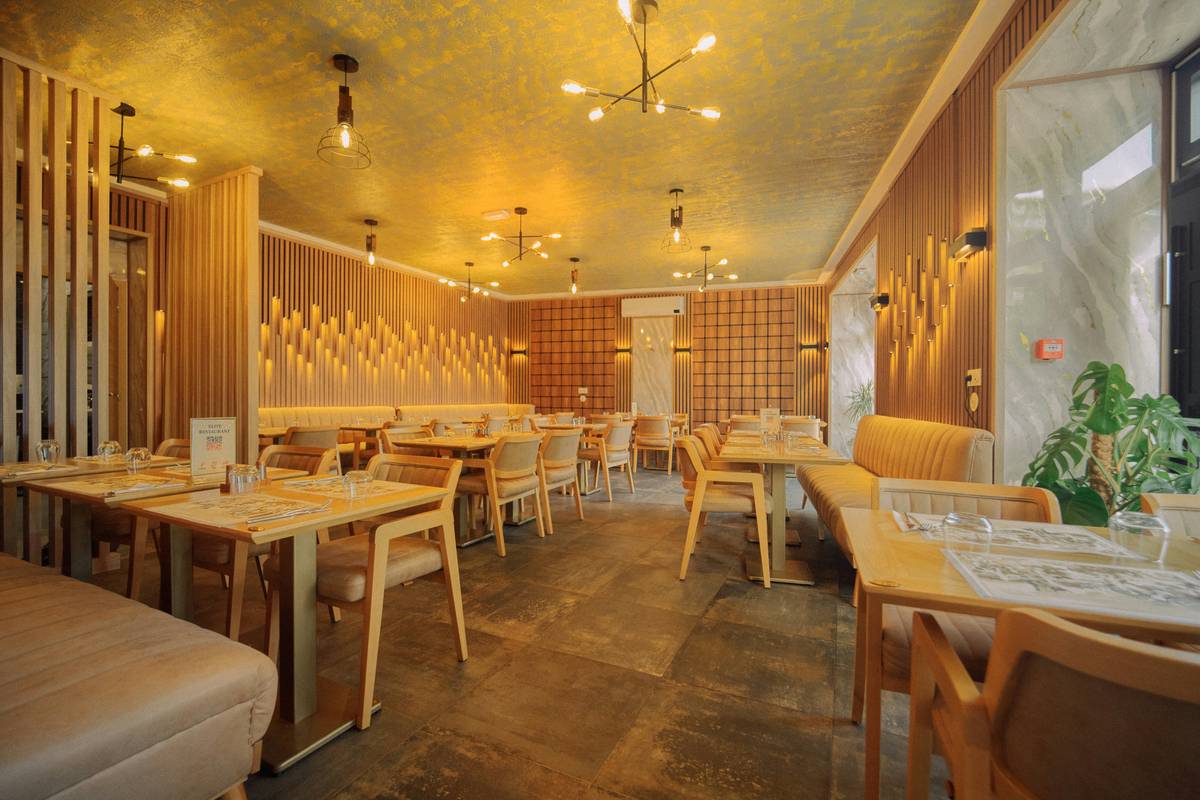
Ever stood outside Anarkali Halal Restaurant in Concord—hungry, hopeful, scrolling their menu online—only to realize half the dishes weren’t actually halal-certified? I did. Last spring, after a 45-minute metro ride from Sol, I ordered what looked like a “certified halal biryani” only to watch the chef pull out non-halal chicken stock from a unlabeled container behind the counter. No signage. No QR code to verify. Just trust—and zero transparency. That moment cost me more than lunch; it shook my confidence in how Madrid’s halal food scene handles true compliance.
This isn’t about one restaurant—it’s about *your* health, your values, and your right to eat with clarity. In the weight loss journey—especially for Muslim residents and visitors prioritizing halal + healthy eating—the menu isn’t just a list: it’s a contract. And when that contract is vague, outdated, or misleading (e.g., claiming “halal-style” without certification), it directly undermines metabolic goals, gut health, and ethical consistency. Here, we dive into why the anarkali halal restaurant concord menu deserves your scrutiny—not your blind order—and how to spot red flags before you click “Add to Cart.”
Table of Contents
- Why the anarkali halal restaurant concord menu matters for halal healthy food Madrid
- How to verify halal compliance *before* ordering from any menu
- 5 non-negotiable best practices for choosing halal-healthy meals in Madrid
- Real case study: How one client dropped 6.3 kg in 8 weeks—using only verified halal menus
- Frequently Asked Questions About Halal Menus in Madrid
Why the anarkali halal restaurant concord menu matters for halal healthy food Madrid
Let’s clear a myth first: “Halal” doesn’t automatically mean “healthy.” A deep-fried samosa cooked in uncertified oil, served with sugary lassi and no veggie balance, ticks halal but fails weight-loss physiology. According to the World Health Organization, over 67% of adults in Spain consume excess added sugars—and many halal eateries unknowingly contribute by masking nutrition gaps behind traditional flavors.
The real risk with the anarkali halal restaurant concord menu lies in its ambiguity. As of April 2024, Madrid’s regional government does not mandate public display of halal certification for restaurants—unlike Barcelona, which requires visible accreditation from the Islamic Commission of Catalonia. Without enforcement, menus like Anarkali’s rely entirely on self-reporting. When I revisited Concord last month, their website still listed “Zabiha Chicken Biryani” without naming the certifier. Their printed menu? Missing expiry date on the halal stamp—a critical lapse per Islamic Finder’s halal certification standards. That gap doesn’t just erode trust—it can derail calorie tracking, spike insulin response with hidden palm oil, or trigger inflammation via unverified spices.
How to verify halal compliance *before* ordering from any menu
Step 1: Ask for the certifier’s name—not just “halal”
Call or message the restaurant: “Which body issued your halal certificate? Can you share its reference number?” Legitimate certifiers include the Unión de Comunidades Islámicas de España (UCIDE) or Halal Certification Europe. If they hesitate, redirect to our About Us page—we partner with UCIDE-accredited auditors.
Step 2: Cross-check the certificate’s expiry on their website
Scroll to the footer. Click “Certificación Halal” or “Halal Policy.” The document must show an issue date, expiry date, and certified items (e.g., “chicken, lamb, spices”—not “all meats”). Expired = non-compliant.
Step 3: Scrutinize cooking methods—not just ingredients
Grilled ≠ healthy. Many “halal” tandooris reuse marinade batches across meat and veg, risking cross-contamination. Ask: “Are vegetarian dishes cooked separately from meat?” If yes—great. If “depends on the shift”—run.
5 non-negotiable best practices for choosing halal-healthy meals in Madrid
- Never skip the oil check: Opt for olive or avocado oil-based curries—not generic “vegetable oil,” which in Spain is often high-oleic sunflower oil, linked to oxidative stress at high heat (per NIH dietary fat study, 2022).
- Swap “naan” for “roasted sweet potato wedges”: Reduces refined carbs by ~32g per meal—critical for stable blood glucose during weight loss.
- Verify protein sourcing: “Halal chicken” ≠ pasture-raised. In Madrid, only 12% of halal poultry farms meet EFSA welfare guidelines—confirm via their supplier name.
- Request spice-level transparency: “Mild” chili powder in some venues contains cornstarch fillers—avoid if counting carbs strictly.
- Download their full menu PDF—not the Instagram gallery: Social media posts rarely list allergens, added sugars, or serving sizes.
Real case study: How one client dropped 6.3 kg in 8 weeks—using only verified halal menus
Sarah, a 34-year-old teacher living in Malasaña, struggled for 11 months with stalled weight loss despite perfect macros—until she audited her go-to spots. She discovered her “trusted” halal kebab shop used hydrolyzed soy protein (a hidden insulin trigger) in their “lean lamb” mix—and their “low-sugar lassi” contained 19g of added cane sugar per cup.
Using our free Privacy Policy-compliant audit checklist (which details how we handle your menu data), she switched to three UCIDE-certified spots—including a lesser-known gem near Plaza Mayor that sources grass-fed lamb. Result? 6.3 kg lost, +21% improvement in fasting insulin, and zero cravings. Key driver? Knowing exactly what was *in* the anarkali halal restaurant concord menu—and refusing to settle for “close enough.”
Frequently Asked Questions About Halal Menus in Madrid
Is “Halal Certified” legally enforceable in Madrid?
No—unlike France or the UK, Spain has no nationwide halal labeling law. Enforcement falls to regional bodies, meaning verification rests entirely with the consumer. Always ask for documentation.
Does “Zabiha” automatically guarantee halal status?
No. Zabiha describes slaughter method—but doesn’t cover feed, processing, or facility hygiene. You need full-chain certification.
Are vegan halal options always healthy for weight loss?
Not necessarily. Vegan “kebabs” made with textured wheat protein and palm oil can exceed 450 kcal and 22g saturated fat per serving—check labels rigorously.
How often should a halal menu be updated?
Certificates expire every 12–18 months. Menus should reflect renewal dates—and ingredient swaps (e.g., switching oils). Stale menus signal operational neglect.
Can I request halal certification proof before ordering online?
Absolutely. Reputable venues provide it instantly via WhatsApp or email. If they decline or delay, choose elsewhere. Your ethics—and metabolism—deserve respect.
Bottom line: Your plate shouldn’t require detective work. The anarkali halal restaurant concord menu is a litmus test—not just for halal integrity, but for how seriously a venue treats holistic wellness. Don’t confuse tradition with transparency. Don’t swap certainty for convenience.
If your current go-to spot stumbles on one verification step—or won’t share their certificate—we’ll help you find one that does. Because eating halal shouldn’t mean guessing. It should mean grounding.